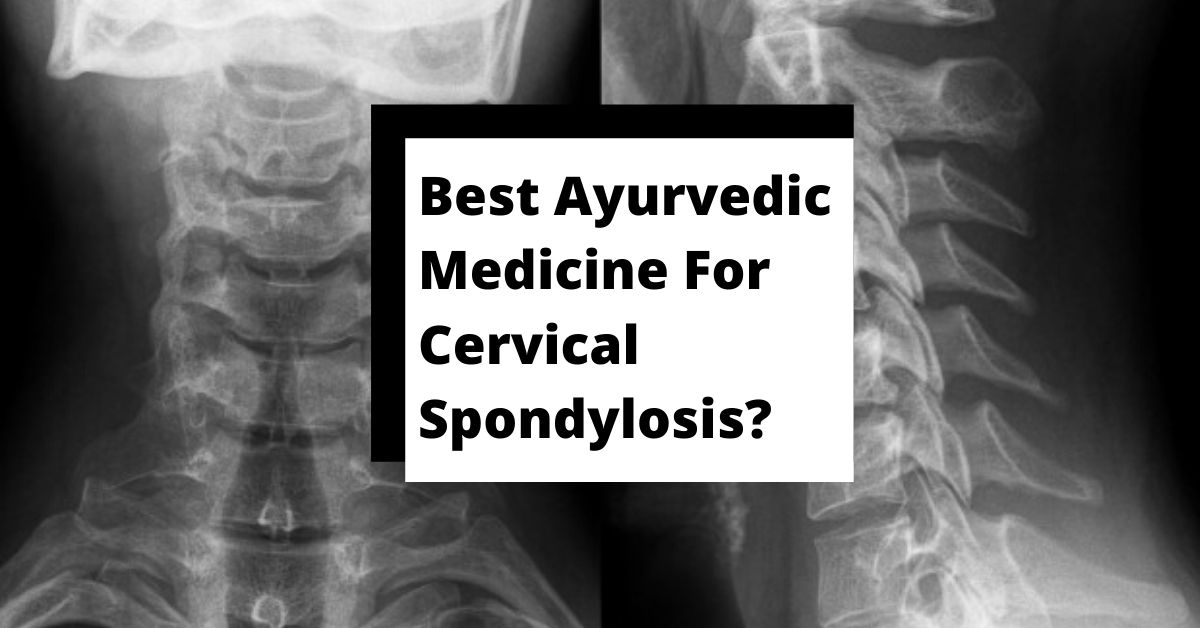
Cervical spondylosis is one of the common age-related health problems that affect both women and men. The condition causes neck pain and occurs as a result of the wear and tear of cartilage and bones of the neck.
Ayurvedic medicine for cervical spondylosis
Orthonervin tablets from Pankajakasthuri is one of the best ayurvedic medicine for cervical spondylosis. The ayurvedic medicine is effective for lumbar spondylosis as well. Orthonervin tablets work by lowering inflammation, swelling, and tenderness. It provides long-lasting relief from cervical spondylosis pain. Learn more about Pankajakasthuri Orthonervin tablets at https://www.pankajakasthuri.in/orthonervin-tablets.html.
Causes of cervical spondylosis
Some of the common causes of cervical spondylosis include:
- Overuse
There are several hobbies and jobs that require one to do repetitive movements of the spine such as bending and lifting heavy objects. Such repetitive movements can cause wear and tear in the spine and increase the risk of cervical spondylosis.
- Physical injury
Physical injuries to the neck such as a car accident or a fall can accelerate the negative effect ageing has on the spine health.
- Dehydrated spinal discs
Cervical spondylosis can occur when pad-like cushions between the spinal bones, known as spinal discs, dry out over time. And when the spinal discs dry out, the spinal bones rub against each other which causes immense pain.
Symptoms of cervical spondylosis
Experiencing pain around the shoulder blade is one of the most common symptoms of cervical spondylosis. Other symptoms of the condition include:
- Accompanying pain in the arms
- Stiffness in the neck (generally worsens over time)
- Tingling sensation in the shoulders, arms, and legs
- Pain in the back of the head
Some of the less-common symptoms of cervical spondylosis include loss of bowel or bladder control and/or loss of balance.
Risk factors of cervical spondylosis
Ageing is the most important risk factor of cervical spondylosis. Also, there are several other factors that increase the risk of cervical spondylosis. These factors include:
- Leading a sedentary lifestyle
- Being overweight
- Sitting or standing in a specific position for a sustained period of time
- Sleeping in a position that puts pressure on the neck
Steps to manage cervical spondylosis pain
Follow these steps to ease the pain caused by cervical spondylosis:
- Maintain an upright posture
Sitting in an upright posture can help you keep the neck, shoulder, and arm pain associated with cervical spondylosis. If you have a desk job, use a sturdy chair that has a firm back and head support. If you use a computer for long hours during work, adjust the height of the display to that of your eye level so that you look straight and not downward.
- Eat food items that are rich in vitamins
Vitamin A and C work wonders in lowering pain-causing inflammation by fighting free radicals. Vegetables and fruits such as broccoli, sweet potato, carrot, strawberries, oranges, and papayas are a storehouse of vitamin A and C. Include these food items in your diet.
- Do neck exercises
Exercises can help lower pain and neck stiffness risk. Here’s one simple neck exercise that you can follow regularly – look at your right side, gradually bring down your chin to your chest and look down. Then slowly look to the left, repeat this exercise for 4 to 5 times 3 to 4 times a day.
- Apply a hot or cold compress
Hot or cold compress is effective in relieving cervical spondylosis pain. Try both cold and hot compress and determine which one eases pain in the affected areas.
Stay tuned to this space
Watch out this space for more interesting and informative write-ups on all-things health and wellbeing.
 Pankajakasthuri - The Best Ayurvedic Products and Medicine Company In India